
The Risks of AI Toys for Young Children: What Parents Need to Know
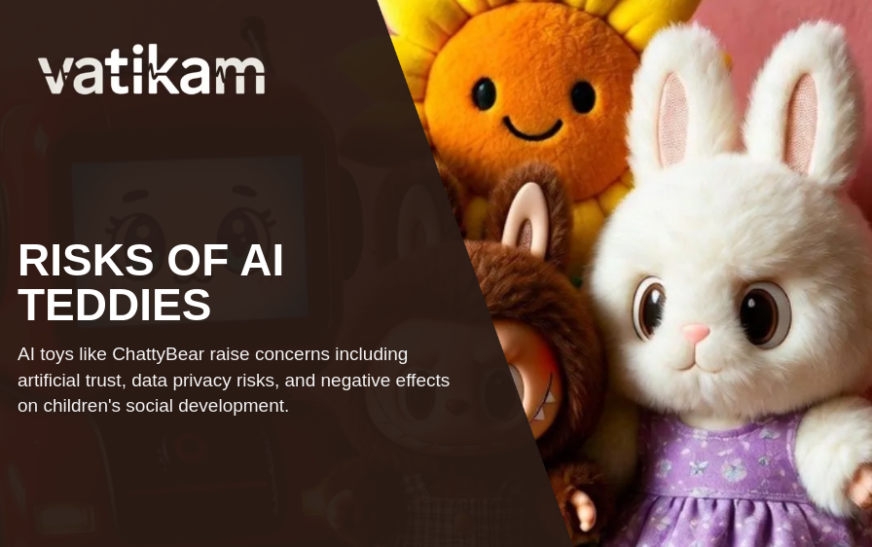
AI technology is rapidly transforming how children play and learn. Among the newest innovations are AI-powered toys such as ChattyBear — conversational teddy bears that can tell stories, engage in games, and chat with children about their interests or current events. These toys, powered by generative AI engines similar to ChatGPT, promise educational benefits without the downsides of screen time.
However, careful evaluation reveals several significant risks associated with AI toys for young children that every parent should understand before bringing them into their homes.
How AI Toys Create Artificial Trust
One of the most concerning features of AI toys is their ability to mimic human-like conversation, which can build an artificial sense of trust and emotional attachment in young children. ChattyBear and other similar toys often use language that positions them as “real buddies,” creating intimacy that may be misleading to children who struggle to distinguish between living beings and programmed toys.
This artificially fostered attachment can impact children’s emotional development because they come to rely on their AI toy as a trusted friend. Research shows young children are particularly vulnerable to developing strong emotional bonds with conversational AI agents, increasing their engagement and use of these devices.
The Problem with Infinite Conversations and Data Privacy
AI toys frequently highlight “endless conversations” as a captivating feature. While this may seem like a benefit, it introduces challenges for children learning to moderate their technology use, similar to the addictive nature of social media infinite scrolling.
Moreover, infinite chat capabilities lead to continuous data collection. Despite the perceived privacy, conversations with AI toys are often stored and used as training data for improving large language models. Many children may incorrectly assume their chats with a friendly AI toy are private, putting their personal information at risk.
Manufacturers often claim their AI toys deliver “safe, filtered content for children,” but details around these safety features are limited and need greater transparency.
Potential Negative Impact on Social Development
Childhood is a formative period for developing social and emotional skills, typically acquired through interactions with trusted friends and adults. Advocates warn that extensive use of AI toys might displace critical human interaction time, potentially reducing children’s opportunities to develop these essential skills.
There is a concern that excessive reliance on frictionless AI interactions may lead to difficulties in maintaining real-world human relationships, resulting in increased loneliness and social isolation. Although evidence is still emerging, the novelty of AI toys and the rapid growth of the AI toy industry suggest these risks deserve closer examination.
Removing Barriers to AI Access While Ensuring Safety
Unlike other online tools that required reading and writing skills, many AI toys use voice interactions, making them accessible to very young children. This opens new paths for play and learning but also necessitates careful adult supervision to mitigate risks.
Playing with AI toys under parental guidance can be an engaging way to introduce children to artificial intelligence. However, unsupervised use elevates the risk of exposure to inappropriate content, data privacy issues, and unhealthy emotional dependencies.
Designing Safer AI Toys for Kids
Manufacturers have opportunities to improve AI toys by implementing safety-by-design principles, such as being transparent about the toy’s non-human nature and limiting infinite chat features. However, current business models often prioritize user engagement, leaving little incentive for change.
As top toy companies, including industry giants like Mattel, increasingly collaborate with AI developers like OpenAI, there is hope for future innovations that balance technology’s benefits with the safeguarding of children’s well-being.
Conclusion
AI toys represent an intriguing new frontier in children’s play but come with risks that cannot be overlooked. Parents and caregivers should be aware of the potential for artificial trust, data privacy concerns, and impacts on social skill development.
Supervised play and ongoing research into the effects of AI toys will be critical as this technology evolves. Ultimately, creating a safe, positive AI play environment requires collaboration among manufacturers, parents, educators, and policymakers.